
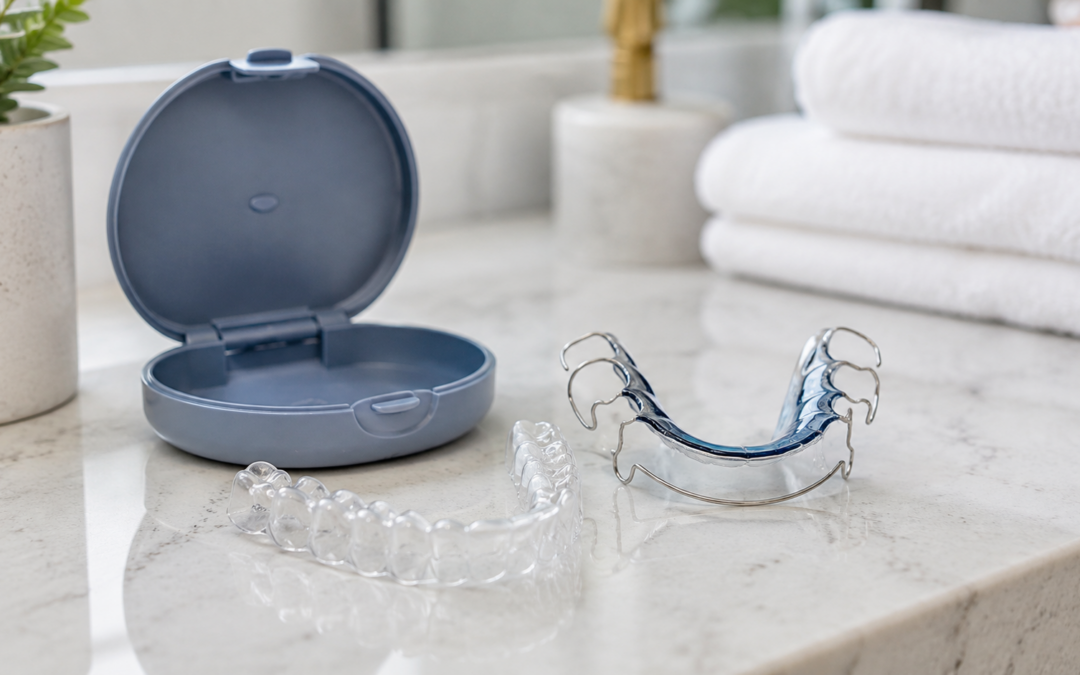
Invisalign has become one of the most popular ways to straighten teeth because it is discreet, removable, and designed to fit into daily life. For many patients, the search starts with one simple phrase: Invisalign near me. But once you begin comparing providers, another important question comes up: should you choose a dentist or an orthodontist for Invisalign treatment?
While some dentists offer Invisalign, orthodontists specialize in tooth movement, bite correction, and jaw alignment. That difference matters. Invisalign is not just a cosmetic tray system. It is orthodontic treatment, and the quality of the result depends heavily on diagnosis, planning, monitoring, and long-term retention.
For patients searching for an Invisalign orthodontist in Bryn Mawr, PA, understanding this distinction can help them make a more informed decision before starting treatment.
Invisalign Is More Than Clear Plastic Trays
At first glance, Invisalign may look simple. You wear a series of clear aligners, change them on schedule, and your teeth gradually move. But behind every successful aligner case is a detailed treatment plan.
Your provider must evaluate your teeth, roots, bite, jaw relationship, gum health, spacing, crowding, and final tooth position. The aligners are only the tool. The treatment plan is what determines whether the final result is healthy, stable, and functional.
That is why choosing the right Invisalign provider matters.
What Does an Orthodontist Do?
An orthodontist is a dental specialist who focuses on correcting tooth alignment and bite problems. Orthodontists receive advanced training beyond dental school in how teeth move, how jaws develop, how bites function, and how to create long-term stability.
This specialized training is especially important when Invisalign treatment involves more than minor cosmetic changes. Many patients have crowding, bite issues, rotated teeth, spacing, or previous orthodontic relapse. These cases require careful planning.
An orthodontist can determine whether Invisalign is the right treatment or whether braces, clear braces, or another approach would produce a better result.
Why Diagnosis Comes First
A strong Invisalign result starts with the correct diagnosis. Before aligners are prescribed, your provider needs to understand what is causing the problem.
For example, crowded teeth may be caused by a lack of space. Gaps may be related to tooth size or bite patterns. An overbite may involve tooth position, jaw structure, or both. If only the visible teeth are considered, treatment may improve appearance but leave functional problems unresolved.
An orthodontist looks at the whole picture, not just the front teeth.
The Risks of Choosing Treatment Based Only on Convenience
Many patients are drawn to convenience. They may choose the provider closest to home or the cheapest Invisalign offer they can find. While convenience is important, orthodontic treatment should not be selected based on price or speed alone.
Poorly planned aligner treatment can lead to teeth that look straighter but do not fit together properly. It may also cause bite problems, gum concerns, uneven wear, or relapse after treatment.
A lower upfront price may not be a better value if refinements, corrections, or additional treatment are needed later.
Invisalign and Bite Correction
One of the biggest reasons to choose an orthodontist for Invisalign is bite correction. A bite problem affects how the upper and lower teeth meet. If the bite is not addressed correctly, patients may continue to experience issues such as uneven wear, jaw strain, or difficulty chewing.
Invisalign can treat many bite concerns, but the case must be planned carefully. Attachments, elastics, staged movement, and refinements may all be needed. Orthodontists are trained to manage these details.
Patients searching for Invisalign in Bryn Mawr, PA should look for a provider who evaluates both smile appearance and bite function.
What Happens During an Invisalign Consultation?
An Invisalign consultation typically begins with an evaluation of your teeth and bite. Digital scans may be used to create an accurate model of your mouth. Photos, imaging, and a clinical exam may also be part of the process.
During the consultation, your orthodontist may explain whether Invisalign is appropriate, what movements are needed, how long treatment may take, and whether any limitations exist.
This is also the time to ask about cost, payment options, expected results, retainers, and how often you will need visits.
Questions to Ask Before Starting Invisalign
Before choosing a provider, ask direct questions:
Am I a good candidate for Invisalign?
Do I have any bite issues?
Will Invisalign correct both my smile and my bite?
How often will my progress be checked?
Will refinements be included?
What happens if my teeth do not track properly?
Will I need retainers after treatment?
Are braces a better option for my case?
These questions help you understand whether your treatment is being planned thoroughly.
Why Digital Scanning Helps
Digital scans are an important part of modern Invisalign treatment. Instead of relying on traditional impressions, a digital scan creates a detailed model of your teeth. This can improve comfort and help with treatment planning.
Digital scans also make it easier for patients to understand their orthodontic concerns. Seeing a 3D model of your teeth can make crowding, spacing, and bite issues easier to visualize.
However, technology alone is not enough. Digital tools are only as effective as the orthodontic plan behind them.
Invisalign for Adults
Adults often choose Invisalign because it is discreet and removable. It can fit into professional settings, social events, and daily routines more easily than traditional braces.
Adult Invisalign treatment may be used to address crowding, spacing, teeth that shifted after previous braces, mild bite issues, and cosmetic alignment concerns.
Because adult patients may also have gum recession, dental restorations, missing teeth, or long-term bite changes, specialist oversight is especially important.
Invisalign for Teens
Invisalign can also work well for responsible teens. Many teens like that aligners are less visible than braces and can be removed for meals, brushing, and sports.
However, Invisalign requires consistency. Aligners must be worn as directed to work properly. An orthodontist can help determine whether a teen is a strong candidate or whether braces would be more predictable.
Invisalign vs Braces: Why the Right Provider Should Offer Both
A provider who offers both Invisalign and braces can recommend treatment based on what is best for the patient, not just what they happen to provide.
Invisalign is a strong option for many patients, but braces may be better for complex movement, severe bite issues, or patients who may struggle with aligner compliance.
An orthodontist can explain the pros and limitations of each option.
What Makes a Good Invisalign Result?
A good Invisalign result is not just straight front teeth. The teeth should fit together properly, the bite should function well, the smile should look balanced, and the result should be stable with proper retainer wear.
The goal is not simply to finish aligners. The goal is to finish treatment with a healthy, confident smile.
Retainers After Invisalign
After Invisalign treatment, retainers are essential. Teeth naturally want to shift after orthodontic movement. Retainers help hold the new position and protect your investment.
Skipping retainers can lead to relapse, which means teeth may crowd or shift again. Your orthodontist will explain how often to wear your retainer and when to replace it.
Choosing an Invisalign Orthodontist in Bryn Mawr, PA
When searching for an Invisalign orthodontist in Bryn Mawr, PA, look for a provider with experience, advanced technology, clear communication, personalized treatment planning, and multiple treatment options.
You should feel comfortable asking questions and confident that your provider is evaluating more than appearance.
Schedule an Invisalign Consultation in Bryn Mawr
If you are considering Invisalign, the first step is a professional consultation. Mastaj Orthodontics can evaluate your smile, explain your treatment options, and help determine whether Invisalign is the right choice for your goals.
Choosing the right Invisalign provider can make a major difference in your final result. With orthodontic expertise, personalized planning, and consistent monitoring, you can move toward a straighter, healthier smile with confidence.