
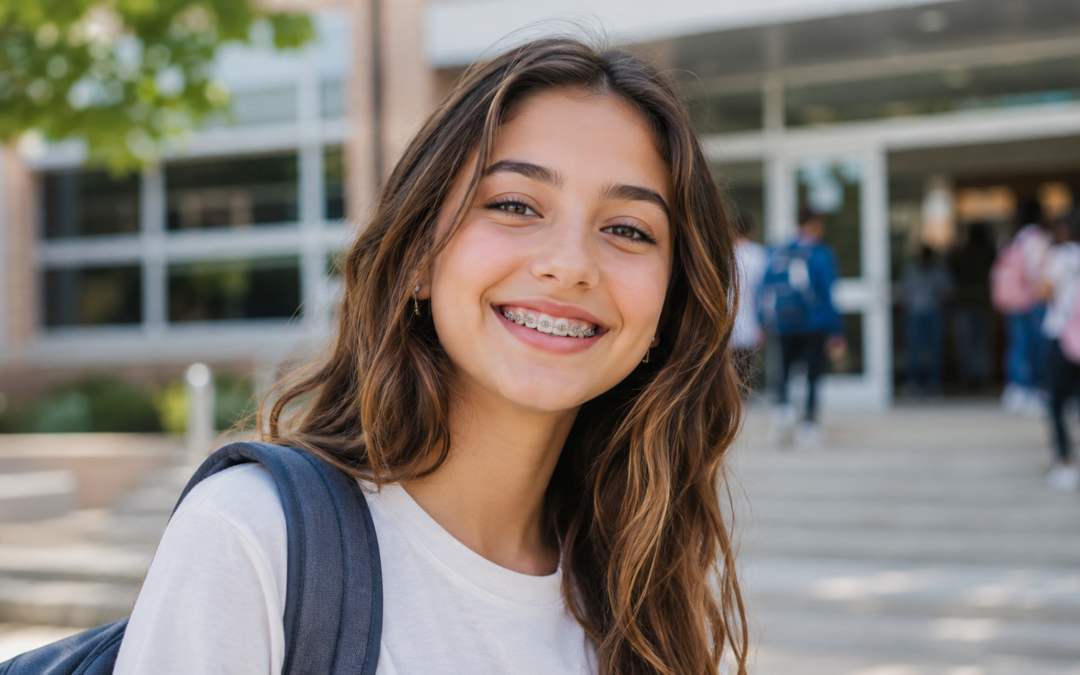
The teenage years are one of the most common times to begin orthodontic treatment. By this stage, most permanent teeth have erupted, bite issues are easier to evaluate, and teens are often ready for a more complete smile transformation. For parents searching for braces for teens in Bryn Mawr, PA, the goal is usually simple: find treatment that is effective, manageable, and supportive of the teen’s confidence.
Braces remain one of the most reliable orthodontic treatments for teenagers. While Invisalign Teen is a popular option for some patients, braces are often recommended when continuous tooth movement, complex correction, or less reliance on compliance is needed.
At Mastaj Orthodontics in Bryn Mawr, teen orthodontic treatment is personalized around the patient’s smile, bite, lifestyle, and long-term needs.
Why the Teen Years Are Ideal for Braces
Teenagers are often at an ideal age for braces because their mouths are still developing, but most permanent teeth have come in. This gives the orthodontist a clear view of alignment and bite concerns.
During the teen years, orthodontic treatment may be used to correct crowding, spacing, overbites, underbites, crossbites, open bites, rotated teeth, and jaw alignment concerns.
Starting treatment during this stage can help guide the smile into a healthier, more stable position before adulthood.
Why Braces Are Still a Strong Choice
With the rise of clear aligners, some families wonder whether braces are outdated. They are not. Braces remain one of the most effective ways to correct a wide range of orthodontic issues.
Because braces are fixed to the teeth, they work continuously. Teens do not need to remember to wear them 20 to 22 hours per day, as they would with removable aligners.
For patients who may forget aligners, lose trays, snack frequently, or need more complex correction, braces can be a more predictable option.
What Problems Can Teen Braces Correct?
Braces can help correct many orthodontic concerns, including crowded teeth, gaps between teeth, crooked teeth, protruding teeth, overbites, underbites, crossbites, open bites, and midline concerns.
They can also help improve bite function, making it easier to chew and clean the teeth.
Orthodontic treatment is not only about appearance. A properly aligned smile can support long-term oral health.
Braces and Confidence
Many teens feel self-conscious about their smiles before treatment. They may avoid smiling in photos, cover their mouth when laughing, or feel uncomfortable in social settings.
Braces can be a step toward greater confidence. While some teens worry about how braces will look, many adjust quickly. Braces are common during the teen years, and modern options are more comfortable and streamlined than older versions.
For teens who want a less noticeable option, clear braces may be available depending on the case.
Metal Braces vs Clear Braces for Teens
Traditional metal braces are durable, effective, and widely used. They are often a strong choice for active teens or more complex orthodontic cases.
Clear braces use tooth-colored or transparent brackets for a more subtle appearance. They can be appealing for teens who want braces that are less noticeable in photos or at school.
The best option depends on the teen’s orthodontic needs, lifestyle, and ability to care for the appliance.
Braces vs Invisalign Teen
Both braces and Invisalign Teen can be effective, but they require different levels of responsibility.
Braces are fixed, so they keep working all day and night. Invisalign Teen is removable, which offers flexibility but also requires discipline. Aligners must be worn consistently, removed for eating, cleaned properly, and stored safely.
A teen who is responsible and has a mild to moderate case may do well with Invisalign Teen. A teen with complex movement needs or inconsistent habits may be better suited for braces.
An orthodontic consultation can help determine which option makes the most sense.
What to Expect When Getting Braces
The process usually begins with an orthodontic consultation. The orthodontist examines the teeth and bite, takes digital records, and creates a treatment plan.
When braces are placed, brackets are attached to the teeth and connected with wires. The process is not painful, though teens may feel pressure or soreness afterward.
The first few days are typically the biggest adjustment. Soft foods, orthodontic wax, and careful brushing can help.
Life at School With Braces
Teens can go to school normally with braces. However, it helps to keep a small braces care kit in a backpack. This may include orthodontic wax, a travel toothbrush, toothpaste, floss threaders, and a small mirror.
After lunch, brushing or rinsing can help remove food from brackets and wires. If brushing is not possible, rinsing with water is still useful.
Teens should also avoid chewing on pens, pencils, or fingernails, which can damage brackets.
Eating With Braces
Braces require some food adjustments. Teens should avoid hard, sticky, chewy, or crunchy foods that can break brackets or bend wires.
Foods to limit or avoid include gum, caramel, hard candy, popcorn kernels, ice, tough bagels, hard pretzels, and sticky snacks.
Braces-friendly foods include pasta, yogurt, eggs, smoothies, soft fruits, cooked vegetables, rice, soft sandwiches, and tender proteins.
Following food guidelines helps reduce emergency visits and keeps treatment on track.
Braces and Sports
Teen athletes can continue playing sports with braces. However, a mouthguard is important for contact sports or activities where impact is possible.
A braces-friendly mouthguard can protect the teeth, lips, cheeks, and orthodontic appliances. Sports such as basketball, soccer, football, lacrosse, field hockey, wrestling, and martial arts may require extra protection.
Parents should ask the orthodontist which mouthguard is appropriate during treatment.
Braces and Music
Some teens who play wind instruments may need a short adjustment period after getting braces. The lips and mouth may feel different at first, but most musicians adapt with practice.
Orthodontic wax may help reduce irritation while the mouth adjusts.
Braces and Oral Hygiene
Good oral hygiene is essential during braces treatment. Brackets and wires create more places for plaque and food to collect, so teens need to brush carefully.
A strong routine includes brushing after meals, flossing daily, using a floss threader or water flosser, and attending regular dental cleanings.
Poor hygiene during braces treatment can lead to cavities, gum irritation, or white spots on the teeth.
How Long Do Teen Braces Take?
Treatment time varies depending on the case. Some teens may need only minor correction, while others require more comprehensive treatment.
Many braces cases take between 18 and 24 months, though some may be shorter or longer. The timeline depends on alignment, bite correction, appointment consistency, appliance care, and how well the teen follows instructions.
What Parents Can Do to Help
Parents play an important role in teen orthodontic success. They can help by scheduling appointments, encouraging good hygiene, reminding teens to avoid damaging foods, and checking that discomfort or appliance issues are addressed quickly.
Support matters. Teens are more likely to stay on track when orthodontic care feels manageable instead of overwhelming.
Common Braces Problems for Teens
Common issues include broken brackets, poking wires, soreness after adjustments, food stuck in braces, and difficulty flossing.
Most issues are manageable. Orthodontic wax can help with irritation, soft foods can help after adjustments, and an orthodontic visit can repair damaged appliances.
If a bracket breaks or wire pokes, contact the orthodontic office for guidance.
What Happens After Braces?
After braces are removed, teens will need retainers. Retainers help keep teeth in their new positions and prevent shifting.
This phase is critical. Without retainer wear, teeth can move back over time.
Parents should help teens understand that retainers are part of the treatment, not an optional step.
Choosing a Teen Orthodontist in Bryn Mawr
When looking for a teen orthodontist in Bryn Mawr, PA, choose a provider who offers personalized treatment options, clear communication, modern technology, and experience with teen patients.
The right orthodontic office should help both parents and teens understand the process, expectations, timeline, and maintenance requirements.
Schedule a Teen Braces Consultation in Bryn Mawr, PA
If your teen needs orthodontic care, Mastaj Orthodontics can help determine whether braces, clear braces, or Invisalign Teen is the right fit.
Braces can support a healthier bite, straighter teeth, and improved confidence during an important stage of life. With the right plan and support, teen orthodontic treatment can be a positive investment in long-term oral health.