
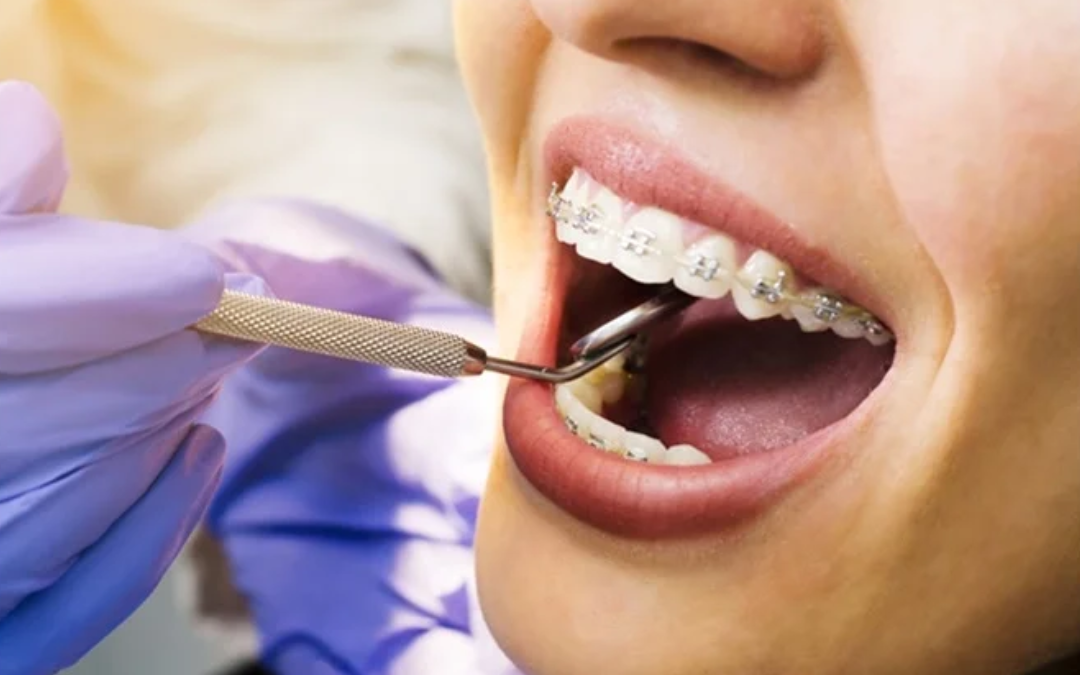
Introduction: Starting Your Braces Journey With Confidence
Beginning braces treatment is a major step toward achieving a healthier, more confident smile. Whether you’re a teen preparing for orthodontic care or an adult finally investing in your smile, understanding what to expect can make the entire experience smoother and more comfortable.
Modern orthodontics has evolved significantly over the years. Today’s braces are more comfortable, more efficient, and more discreet than ever before. With advanced technology and personalized treatment planning, patients can expect excellent results with fewer inconveniences than in the past.
At Mastaj Orthodontics, every patient receives a customized approach designed to ensure optimal alignment, improved bite function, and long-term oral health.
Your First Orthodontic Consultation
What Happens During Your Initial Visit
Your orthodontic journey begins with a comprehensive consultation. This appointment is crucial for evaluating your teeth, jaw alignment, and overall oral health.
During this visit, your orthodontist will:
- Examine your teeth and bite
- Take digital scans or impressions
- Capture X-rays or 3D imaging
- Discuss your goals and concerns
- Develop a personalized treatment plan
Many modern practices now use digital scanning technology, eliminating the need for messy traditional impressions and improving accuracy.
Creating Your Custom Treatment Plan
No two smiles are the same. Your orthodontist will design a plan tailored to your specific needs, considering:
- Severity of misalignment
- Bite issues (overbite, underbite, crossbite)
- Jaw positioning
- Facial balance
- Treatment timeline
This individualized approach ensures that your braces treatment delivers both functional and aesthetic improvements.
Getting Your Braces On: What to Expect
The Placement Appointment
Once your treatment plan is finalized, you’ll return to have your braces placed. This appointment typically takes 1–2 hours.
Here’s what happens:
- Teeth are cleaned and prepped
- Brackets are carefully bonded to each tooth
- Archwires are placed and secured
- Elastic bands may be added
The process is completely painless, though you may feel slight pressure as the brackets are positioned.
After Your Braces Are Placed
It’s normal to experience some discomfort during the first few days as your teeth begin to adjust.
Common initial symptoms include:
- Mild soreness
- Sensitivity when chewing
- Slight irritation on cheeks or lips
These symptoms typically subside within a week and can be managed with over-the-counter pain relief and orthodontic wax.
Understanding How Braces Work
The Science Behind Tooth Movement
Braces apply continuous, gentle pressure to gradually shift teeth into proper alignment. This process involves:
- Breaking down bone tissue in one area
- Rebuilding bone in another
Over time, this allows teeth to move safely and effectively into their ideal positions.
Why Consistency Matters
Because braces are fixed appliances, they work 24/7, ensuring consistent progress without relying on patient compliance.
This makes them especially effective for:
- Complex orthodontic cases
- Younger patients
- Individuals who prefer a low-maintenance solution
Routine Adjustments and Progress Checks
What Happens at Adjustment Appointments
Throughout your treatment, you’ll visit your orthodontist every 4–8 weeks for adjustments.
During these visits:
- Wires may be tightened or replaced
- Elastics may be adjusted
- Progress is evaluated
- Any issues are addressed
These appointments are essential for keeping your treatment on track.
Do Adjustments Hurt?
You may feel mild pressure or soreness after adjustments, but this is temporary and a sign that your treatment is progressing.
Daily Life With Braces
Eating With Braces: What You Need to Know
One of the biggest adjustments with braces is modifying your diet.
Foods to Avoid:
- Sticky foods (caramel, gum)
- Hard foods (nuts, hard candy)
- Crunchy foods (popcorn, chips)
- Chewy foods (bagels, tough meats)
Braces-Friendly Foods:
- Soft fruits
- Cooked vegetables
- Pasta and rice
- Yogurt and smoothies
- Soft proteins like eggs and fish
Following these guidelines helps prevent damage to your braces and ensures smooth progress.
Oral Hygiene With Braces
Maintaining excellent oral hygiene is critical during orthodontic treatment.
Daily Care Routine:
- Brush after every meal
- Floss daily using special tools (floss threaders or water flossers)
- Use fluoride mouthwash
Proper hygiene helps prevent:
- Tooth decay
- Gum disease
- White spots on teeth
Managing Discomfort
Occasional discomfort is normal, especially after adjustments.
Tips for Relief:
- Use orthodontic wax for irritation
- Stick to soft foods after adjustments
- Take over-the-counter pain relief if needed
Common Challenges With Braces (and How to Handle Them)
Broken Brackets or Wires
If a bracket or wire breaks:
- Avoid touching or pulling it
- Use wax to cover sharp edges
- Contact your orthodontist for repair
Food Getting Stuck
This is common but manageable with:
- Interdental brushes
- Water flossers
- Rinsing after meals
Forgetting to Wear Elastics
If your treatment includes rubber bands, wearing them consistently is essential for proper bite correction.
How Long Does Braces Treatment Take?
Treatment time varies depending on the complexity of your case.
Typical Timeline:
- Mild cases: 12–18 months
- Moderate cases: 18–24 months
- Complex cases: 24+ months
Your orthodontist will provide a more accurate estimate during your consultation.
The Importance of Retainers After Braces
Why Retainers Are Necessary
Once your braces are removed, your teeth need time to stabilize in their new positions.
Without a retainer, teeth can gradually shift back—a process known as relapse.
Types of Retainers
- Removable retainers (clear or wire-based)
- Fixed retainers (bonded behind teeth)
Wearing your retainer as instructed is essential for maintaining your results.
Benefits of Braces Beyond a Straight Smile
Improved Oral Health
Straight teeth are easier to clean, reducing the risk of:
- Cavities
- Gum disease
- Plaque buildup
Better Bite Function
Correcting bite issues can:
- Improve chewing efficiency
- Reduce jaw pain
- Prevent uneven tooth wear
Enhanced Confidence
A straight, healthy smile can significantly boost self-esteem and positively impact social and professional interactions.
Braces for Kids, Teens, and Adults
Children and Early Orthodontics
Early intervention can guide jaw development and prevent more serious issues later.
Teens
The most common age group for braces, as teeth and jaws are still developing.
Adults
More adults than ever are choosing braces to improve both appearance and oral health.
Modern Advancements in Braces Technology
Today’s braces are more advanced than ever, offering:
- Smaller, more comfortable brackets
- Faster treatment times
- Improved aesthetics with clear options
- Digital treatment planning
These advancements make orthodontic treatment more efficient and patient-friendly.
Why Choosing the Right Orthodontist Matters
The success of your treatment depends heavily on the expertise of your orthodontist.
An experienced provider will:
- Create a precise treatment plan
- Monitor progress closely
- Adjust treatment as needed
- Ensure optimal long-term results
Common Myths About Braces
Myth #1: Braces Are Extremely Painful
Reality: Discomfort is mild and temporary.
Myth #2: Braces Are Only for Kids
Reality: Adults can benefit just as much from orthodontic treatment.
Myth #3: Treatment Takes Forever
Reality: Modern technology has significantly reduced treatment times.
Final Thoughts: Embracing the Journey to a Better Smile
Starting braces treatment is an investment in your long-term health, confidence, and overall well-being. While the process requires patience and commitment, the results are life-changing.
With the right orthodontist and proper care, you can achieve a beautifully aligned smile that lasts a lifetime.
At Mastaj Orthodontics, patients benefit from advanced technology, personalized treatment plans, and decades of experience—ensuring a smooth, successful orthodontic journey from start to finish.
Schedule Your Consultation Today
If you’re ready to begin your journey with braces, the first step is scheduling a consultation. A professional evaluation will help determine the best treatment plan for your unique smile.