
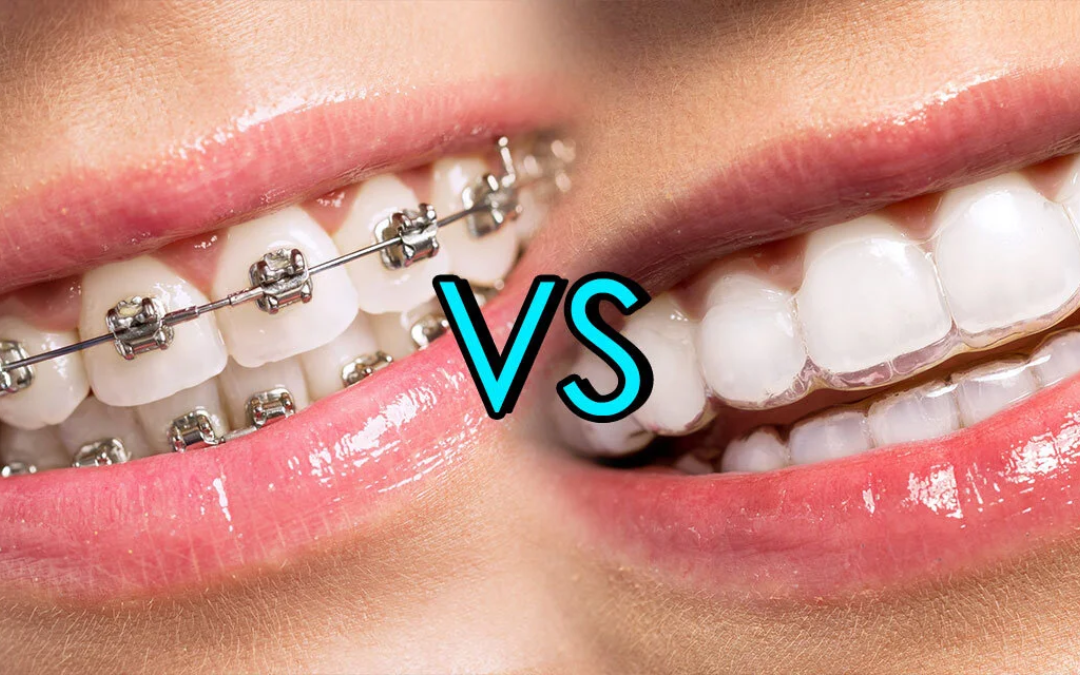
Introduction: Choosing the Right Path to a Straighter Smile
When it comes to improving your smile, one of the biggest decisions you’ll face is choosing between Invisalign vs braces. Both orthodontic treatments are highly effective, but they offer very different experiences in terms of appearance, comfort, maintenance, and lifestyle impact.
Today’s patients have more options than ever before, and advancements in orthodontic technology have made both clear aligners and modern braces more efficient, comfortable, and accessible. Whether you’re a teen, adult, or parent researching options for your child, understanding the differences between these treatments is key to making an informed decision.
At Mastaj Orthodontics, patients receive personalized orthodontic treatment plans tailored to their unique needs, ensuring optimal results regardless of which option they choose.
What Are Braces? A Time-Tested Orthodontic Solution
How Braces Work
Traditional braces use a system of brackets, wires, and bands to gradually move teeth into proper alignment. Over time, controlled pressure shifts teeth into their ideal positions, correcting issues such as:
- Crowded teeth
- Gaps between teeth
- Overbite and underbite
- Crossbite and open bite
Braces are fixed appliances, meaning they stay on your teeth throughout treatment and work continuously without requiring patient compliance.
Types of Braces Available
Modern orthodontics has significantly improved the design and comfort of braces. Patients today can choose from:
1. Metal Braces
The most common and effective option for complex cases. Today’s metal braces are smaller, more comfortable, and more efficient than older versions.
2. Clear (Ceramic) Braces
These braces function like traditional metal braces but use tooth-colored or clear brackets to create a more discreet appearance.
3. Self-Ligating Braces
A more advanced system that uses specialized clips instead of elastic bands, reducing friction and often shortening treatment time.
Advantages of Braces
- Highly effective for complex orthodontic cases
- No need to remember to wear them
- Consistent, continuous treatment
- Suitable for patients of all ages
Considerations With Braces
- More visible than aligners
- Dietary restrictions (avoid sticky, hard foods)
- Requires diligent oral hygiene
- Periodic tightening appointments
What Is Invisalign? A Modern, Discreet Alternative
How Invisalign Works
Invisalign uses a series of custom-made, clear aligners that gradually shift teeth into place. Each set of aligners is worn for about 1–2 weeks before progressing to the next stage.
These aligners are made from smooth, transparent plastic, making them nearly invisible when worn.
Why Invisalign Has Become So Popular
Invisalign has transformed orthodontic treatment, especially for teens and adults who want a less noticeable solution.
Key Benefits Include:
- Virtually invisible appearance
- Removable for eating and cleaning
- No food restrictions
- More comfortable than traditional braces
- Fewer in-office visits in many cases
Ideal Candidates for Invisalign
Invisalign is highly effective for:
- Mild to moderate crowding
- Spacing issues
- Minor bite alignment problems
- Patients committed to wearing aligners 20–22 hours per day
Considerations With Invisalign
- Requires discipline and consistency
- Must be removed before eating/drinking (except water)
- Not always ideal for severe or complex cases
- Aligners can be lost or damaged
Invisalign vs Braces: Side-by-Side Comparison
1. Appearance
- Invisalign: Nearly invisible
- Braces: More noticeable (though clear options exist)
👉 Best choice for aesthetics: Invisalign
2. Comfort
- Invisalign: Smooth plastic, minimal irritation
- Braces: Can cause irritation from brackets and wires
👉 Best for comfort: Invisalign
3. Effectiveness
- Invisalign: Best for mild to moderate issues
- Braces: Ideal for all cases, including complex ones
👉 Best for complex treatment: Braces
4. Maintenance & Hygiene
- Invisalign: Easy to brush and floss
- Braces: Requires extra care and tools
👉 Best for hygiene: Invisalign
5. Lifestyle Impact
- Invisalign: Flexible and removable
- Braces: Fixed and always working
👉 Best for flexibility: Invisalign
6. Compliance Factor
- Invisalign: Requires discipline
- Braces: No compliance required
👉 Best for consistency: Braces
Which Option Is Faster?
Treatment time varies depending on the complexity of your case, but:
- Invisalign: Typically 12–18 months
- Braces: Typically 18–24 months
However, complex cases may require longer treatment regardless of method.
Cost Comparison: Invisalign vs Braces
The cost of orthodontic treatment can vary based on:
- Case complexity
- Treatment duration
- Technology used
In many cases, Invisalign and braces are similarly priced, especially when factoring in advanced orthodontic techniques.
Many practices, including Mastaj Orthodontics, offer:
- Flexible payment plans
- Insurance coordination
- Affordable financing options
Lifestyle Considerations: Which Fits You Best?
Choose Invisalign If You:
- Want a discreet treatment option
- Have a busy or social lifestyle
- Are disciplined with wearing aligners
- Prefer fewer dietary restrictions
Choose Braces If You:
- Have a complex orthodontic case
- Prefer a “set it and forget it” approach
- Don’t want to worry about compliance
- Are treating a younger child
Orthodontic Treatment for Teens vs Adults
For Teens
Both Invisalign and braces are excellent options. Invisalign Teen includes features like:
- Compliance indicators
- Replacement aligners
- Flexibility for active lifestyles
For Adults
Adults often prefer Invisalign due to its discreet appearance, especially in professional settings.
However, braces remain a strong option for adults needing more comprehensive correction.
The Role of Technology in Modern Orthodontics
Advanced orthodontic technology has improved both Invisalign and braces treatments.
At Mastaj Orthodontics, tools such as:
- Digital scanning (no messy impressions)
- 3D treatment planning
- Precision aligner technology
ensure accurate, efficient, and comfortable treatment.
Why Personalized Treatment Matters
No two smiles are the same. That’s why choosing an experienced orthodontist is critical.
A customized treatment plan considers:
- Tooth alignment
- Jaw structure
- Facial symmetry
- Long-term oral health
This ensures not only a straighter smile—but a healthier, more functional bite.
Long-Term Benefits of Orthodontic Treatment
Regardless of whether you choose Invisalign or braces, the benefits go far beyond aesthetics.
Health Benefits Include:
- Improved oral hygiene
- Reduced risk of gum disease
- Better bite function
- Less strain on jaw joints
- Prevention of uneven tooth wear
Common Myths About Invisalign and Braces
Myth #1: Invisalign Doesn’t Work as Well as Braces
Reality: Invisalign is highly effective for many cases when used correctly.
Myth #2: Braces Are Only for Kids
Reality: More adults than ever are choosing orthodontic treatment.
Myth #3: Invisalign Is Always Faster
Reality: Treatment time depends on case complexity, not just the method.
Final Thoughts: Making the Right Choice for Your Smile
Choosing between Invisalign vs braces ultimately comes down to your personal goals, lifestyle, and orthodontic needs.
Both options offer incredible results when guided by an experienced orthodontist. The key is selecting the treatment that aligns with your preferences while ensuring long-term success.
At Mastaj Orthodontics, patients receive expert care backed by decades of experience, advanced technology, and a commitment to creating confident, healthy smiles.
Schedule Your Consultation Today
If you’re considering orthodontic treatment, the best next step is a professional consultation. A personalized evaluation will help determine whether Invisalign or braces is the right solution for your smile.